
 admin
admin 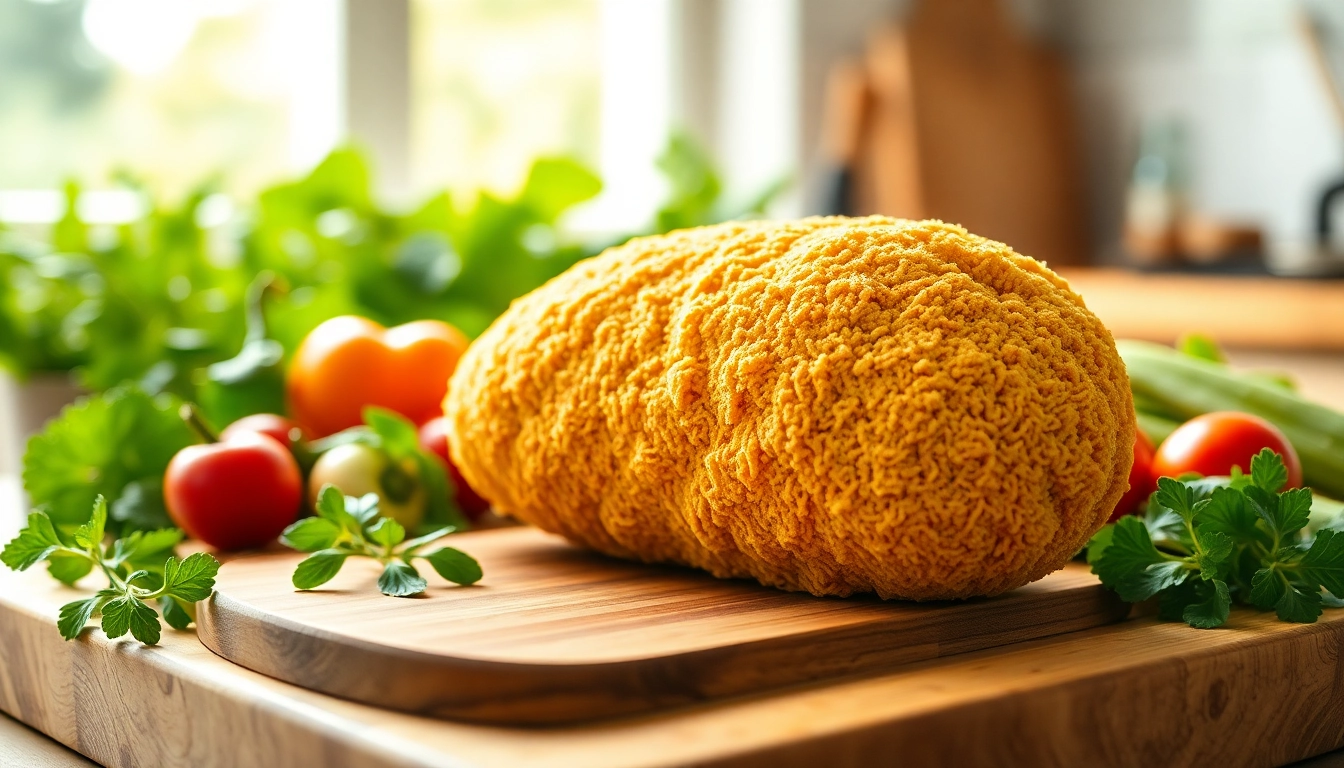
Understanding the Kitchen Loofah
What is a Kitchen Loofah?
The kitchen loofah is a natural, eco-friendly cleaning tool derived from the fibrous skeleton of the loofah plant, technically referred to as Luffa aegyptiaca. Unlike synthetic sponges or plastic scouring pads, which contribute to environmental pollution, the kitchen loofah is biodegradable and compostable. When dried, this plant-based alternative presents a coarse texture perfect for scrubbing pots, pans, and various surfaces in the kitchen without scratching them. With growing environmental awareness, many consumers are shifting to sustainable cleaning options, making the kitchen loofah an increasingly popular choice for eco-conscious households.
Benefits of Using Kitchen Loofah
Using a kitchen loofah brings numerous benefits that extend beyond mere surface cleaning.
- Biodegradable and Environmentally Friendly: Traditional cleaning sponges can release microparticles into waterways, detrimentally impacting marine life and ecosystems. In contrast, when disposed of, a kitchen loofah decomposes naturally, leaving no harmful residue.
- Non-Toxic Cleaning: Made from organic plant material, kitchen loofahs contain no chemicals or synthetic fibers, making them safe for cleaning dishes, utensils, and surfaces that come into contact with food.
- Effective Scrubbing Tool: Their unique texture allows for deep cleaning, effectively removing grease and food particles without scratching surfaces, thus prolonging the life of pots and pans.
- Versatile Usage: Beyond kitchen cleaning, loofahs can be employed in skin exfoliation during showers or baths, showcasing their multifunctionality.
How Kitchen Loofah Works
The kitchen loofah’s effectiveness stems from its fibrous structure, which possesses a natural scrubby quality. Unlike traditional sponges that can harbor bacteria due to their moisture retention, kitchen loofahs dry quickly, mitigating the risk of mold and bacterial growth. When scrubbing surfaces, the fibers of the loofah provide enough friction to loosen stuck food particles without damaging the surfaces of your cookware. Additionally, they can easily be rinsed clean, restoring them for ongoing use.
Choosing the Right Kitchen Loofah
Types of Kitchen Loofahs Available
When selecting a kitchen loofah, it’s essential to consider various types available on the market:
- Whole Loofah: Typically featuring the natural shape of the loofah fruit, these can be cut to size and used as sponges for scrubbing.
- Loofah Pads: These are often pre-cut and come in shapes that fit more conveniently in your hand; suitable for detailed cleaning tasks.
- Activated Charcoal Loofah: Infused with activated charcoal, these loofahs enhance odor elimination and provide additional antibacterial properties.
Factors to Consider When Buying
When assessing your options, consider the following factors:
- Size: Choose a size that fits comfortably in your hand while offering surface coverage per your cleaning needs.
- Texture: Opt for a loofah with the right balance of firmness for effective scrubbing and gentleness for delicate surfaces.
- Sustainability: Look for loofahs sourced from organic farms to ensure that no harmful pesticides were used during cultivation.
- Packaging: Eco-friendly packaging is essential to maintain the sustainability of the product throughout its lifecycle.
Where to Find Quality Kitchen Loofahs
Quality kitchen loofahs can be found in various places, both online and offline. Popular options include local health food stores, organic markets, and online retailers that specialize in eco-friendly household products. Notable platforms specializing in green living products enable consumers to access numerous varieties and reviews, aiding in informed purchasing decisions. A search for a good kitchen loofah will lead you to explore diverse options tailored to your preferences.
Usage Tips for Kitchen Loofah
How to Properly Use Kitchen Loofah
To maximize the effectiveness of your kitchen loofah, follow these simple guidelines:
- Wet Thoroughly: Rinse your kitchen loofah under hot water before use; this enhances its scrubbing ability.
- Apply Cleaning Agent: For optimal results, apply a natural cleaning agent—such as vinegar or baking soda—when using the loofah.
- Cleaning Technique: Use circular motions for effective scrubbing, ensuring you cover all areas without over-scrubbing delicate surfaces.
Maintenance and Care for Longevity
Proper care and maintenance of your kitchen loofah can extend its usable life significantly:
- Rinse After Each Use: Ensure that your kitchen loofah is rinsed thoroughly after every use to remove food particles and soap residue.
- Dry Completely: Store your loofah in a dry area to prevent moisture accumulation, reducing the likelihood of mold growth.
- Sanitize Regularly: Occasionally, sanitize your loofah by soaking it in a vinegar solution or placing it in the dishwasher’s top rack for a deep clean.
Common Mistakes to Avoid
When using kitchen loofahs, avoid these common pitfalls to ensure maximum performance:
- Not Rinsing: Failing to rinse after each use leads to bacterial buildup; always rinse to maintain hygiene.
- Using on Sensitive Surfaces: While kitchen loofahs are gentle, avoid using them on non-stick or easily scratched surfaces without testing first.
- Neglecting Replacement: Regularly check your kitchen loofah for wear and replace it when it starts to show significant signs of degradation.
Creative Ways to Use Kitchen Loofah
Beyond the Kitchen: Unique Uses of Kitchen Loofah
The versatility of kitchen loofahs extends far beyond traditional kitchen cleaning. Here are a few creative uses:
- Bath Exfoliation: Use a kitchen loofah in the shower for exfoliating your skin, promoting circulation, and removing dead skin cells.
- Home Decor: Dry and carve kitchen loofahs can be transformed into unique natural decor, adding texture and warmth to your living spaces.
- Gardening Aid: Shredded loofahs can be used as mulch in gardening, helping to retain soil moisture while providing natural nutrients.
Kitchen Loofah in Home Decor
Incorporating kitchen loofahs into home decor is both creative and sustainable. Their unique texture and organic appearance can enhance various design styles. Use dried loofahs as natural embellishments in wreaths, centerpieces, or hanging displays, or pair them with other organic materials like twine and dried flowers to create rustic touches throughout your home.
Incorporating Kitchen Loofah in DIY Projects
Kitchen loofahs can also play a role in DIY projects. For the crafty individual, consider the following:
- Loofah Potpourri: Create a scented potpourri by filling dried loofahs with aromatic herbs and flowers, providing natural fragrance across your home.
- Soap Holder: Cut and shape a loofah to serve as a natural soap holder, allowing soap to drain and prolonging its lifespan.
- Gift Wrapping: When wrapped with twine, a loofah can serve as an eco-friendly gift embellishment that adds a touch of natural charm.
Frequently Asked Questions about Kitchen Loofah
Can Kitchen Loofah Be Compostable?
Yes, kitchen loofahs are completely compostable due to their natural plant-based composition. They can be added to your compost bin, enriching your soil.
How Often Should I Replace My Kitchen Loofah?
It is advisable to replace your kitchen loofah every 3-4 weeks, depending on usage frequency and wear. Regular checks can help identify when it needs replacement.
Are Kitchen Loofahs Safe for All Surfaces?
While generally safe, caution is advised when using kitchen loofahs on non-stick or delicate surfaces. Always test on a small area first to ensure no damage occurs.
Can Kitchen Loofah Help in Reducing Waste?
Yes, kitchen loofahs significantly help reduce kitchen waste as they are biodegradable and compostable, replacing synthetic sponges that contribute to landfill waste.
How Do I Clean My Kitchen Loofah?
To clean your kitchen loofah, rinse it after each use, and periodically soak it in a vinegar solution or wash it on the top rack of the dishwasher to sanitize it.