 admin
admin 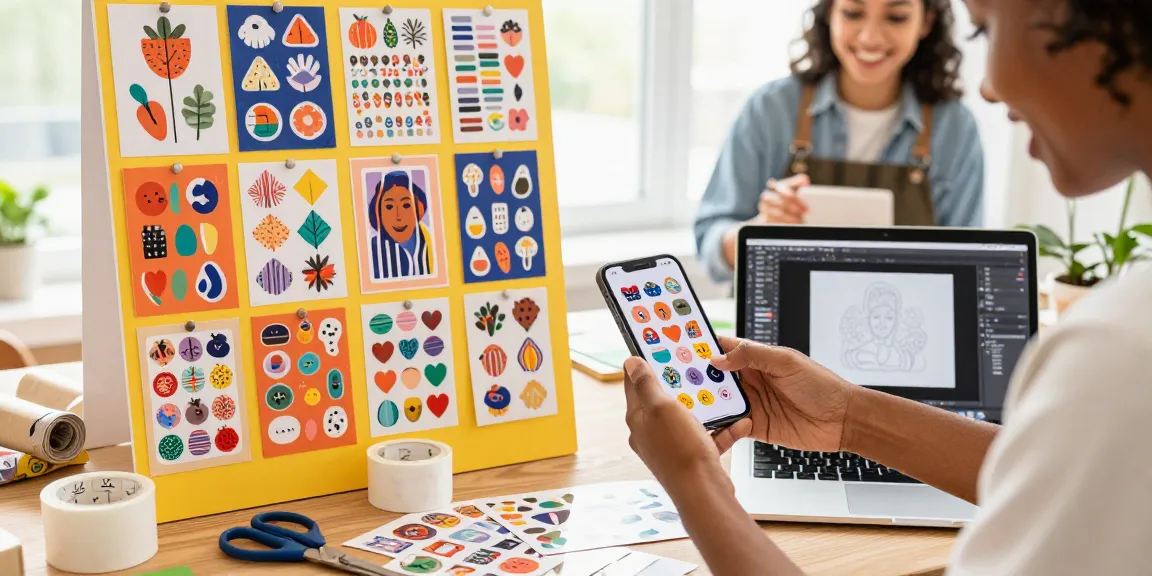
The Evolution of Custom Stickers in 2026
Custom stickers have traveled a long and colorful path, gaining popularity and versatility across various industries and personal uses. As we look into 2026, the evolution of custom stickers reflects technological advancements, changing consumer preferences, and an increasing emphasis on sustainability. These small yet impactful design elements have transitioned from simple labels to complex branding tools that embody artistry and functionality. When exploring options, custom stickers have emerged as a leading choice for businesses and individuals alike, showcasing originality and adaptability in an ever-changing market.
Historical Context: How Custom Stickers Became Trendy
The popularity of custom stickers can be traced back to their roots in marketing and branding. In the late 20th century, businesses began to realize the power of visual representation for brand identity. Stickers were not just promotional materials but became symbols of loyalty and identity among consumers. As digital printing technology became more accessible, the range of options for customizing stickers expanded significantly. This evolution led to the rise of DIY culture, where individuals began creating personalized stickers for personal and creative expression.
Technological Advances in Sticker Printing
Advancements in printing technology have played a key role in the transformation of custom stickers. Digital printing has emerged as the dominant method, allowing for precise color reproduction and intricate designs. The introduction of eco-friendly inks and materials has further enhanced the sustainability aspect of custom stickers, appealing to environmentally conscious consumers. In addition, innovations such as QR codes and augmented reality integrations have added interactive elements to sticker designs, making them more than just a static piece of art.
Environmental Considerations: Sustainable Materials and Practices
With growing awareness of environmental issues, the sticker industry has adapted by utilizing sustainable materials. Biodegradable adhesives and recycled substrates are increasingly common, ensuring that custom stickers leave a minimal ecological footprint. The shift towards sustainable practices is not only beneficial for the planet but also aligns with the values of a consumer base that prioritizes eco-friendly products. As brands strive to be more responsible, the importance of sustainability in sticker production will only continue to rise.
Types of Custom Stickers Available Today
Understanding the various types of custom stickers available is essential for businesses and individuals looking to make a statement. The range of options caters to different needs, from promotional materials to personal art pieces. With the capacity to produce stickers in any shape, size, and style, the market is flooded with possibilities, including vinyl stickers, holographic stickers, and matte finishes. This flexibility allows for creative expression and precise brand representation.
Understanding Die-Cut vs. Kiss-Cut Stickers
Two of the most popular types of custom stickers are die-cut and kiss-cut stickers. Die-cut stickers are cut to the exact shape of the design, providing a sleek and polished look. In contrast, kiss-cut stickers are slightly larger than the design itself, allowing for easy peeling and application. This difference in cutting technique not only affects the aesthetics but also the usability of the stickers, making it crucial for designers to choose the right type based on their specific needs.
Bespoke Designs: The Role of Artwork and Personalization
Custom stickers offer a unique platform for artists and designers to showcase their creativity. The ability to use bespoke artwork allows businesses to stand out in competitive markets while offering individuals a way to express their personal style. Art can be applied to stickers in countless ways, from intricate illustrations to bold logos, making them a vital component of branding and personal expression. This customization fosters a connection between the creator and the audience, enhancing the sticker’s value.
Applications in Marketing and Branding
Custom stickers have found a notable place in marketing strategies across various sectors. Brands utilize stickers as giveaways at events, incorporating designs that reflect their identity while offering a tangible item that potential customers can keep. Stickers serve as mobile advertisements, reaching audiences beyond traditional marketing platforms. Furthermore, the use of stickers in packaging not only elevates product presentation but also boosts brand recall among consumers.
Best Practices for Designing Custom Stickers
Designing custom stickers requires a blend of creativity and strategic thinking. Whether for personal use or business branding, adhering to best practices can significantly enhance effectiveness and appeal. Understanding essential elements such as color theory, material selection, and brand integration will lead to successful outcome.
Color Theory and Visual Communication
Colors evoke emotions and convey meanings, making them integral to sticker design. Different hues can attract attention, create associations, and encourage specific actions from viewers. Designers should consider the psychology of colors when creating stickers, ensuring that their choices resonate with the intended audience. A well-thought-out color palette can enhance brand recognition and make stickers more engaging.
Choosing the Right Material for Your Stickers
The choice of materials can directly impact the durability and appearance of custom stickers. Vinyl is a popular choice due to its resilience, making it ideal for outdoor use. Conversely, paper stickers may suit indoor applications or temporary promotions. Understanding the environment in which the stickers will be used is crucial, as this knowledge will guide material selection and overall design choices.
Incorporating Branding Elements Effectively
Effective branding is essential for ensuring that custom stickers communicate the right message. Elements like logos, taglines, and brand colors should be incorporated thoughtfully to create a cohesive look. Consistency in branding not only enhances recognition but also establishes trust with consumers. Stickers should reflect the overall aesthetic and values of the brand, creating a lasting impression on potential customers.
Challenges and Solutions in Custom Sticker Production
While custom stickers offer numerous benefits, the production process is not without its challenges. Issues can arise during design, production, or application, necessitating a proactive approach to problem-solving.
Common Pitfalls in Custom Sticker Design
One of the most common pitfalls in custom sticker design is overcomplicating the artwork. While intricate designs can be visually appealing, they may not print well or may lose detail in smaller sizes. Striking a balance between creativity and simplicity is key to creating effective stickers that remain legible and impactful.
Reliable Vendor Selection for Quality Production
Selecting the right vendor is critical to producing high-quality stickers. Businesses should seek out manufacturers who specialize in sticker printing and have a proven track record. It’s essential to review samples, assess material options, and discuss production timelines to ensure that the chosen vendor can meet specific requirements and expectations.
Managing Costs Without Sacrificing Quality
Cost management is a common concern when it comes to custom stickers. While seeking affordable options is important, compromising quality can lead to unsatisfactory results. Businesses should focus on finding a balance between cost and quality, perhaps by ordering in bulk or exploring different suppliers. This strategy can help mitigate expenses while still achieving high-quality custom stickers.
Future Trends in the Custom Sticker Market
As we step into the future, the custom sticker market will continue to evolve, reflecting changes in technology, consumer behavior, and design practices. Understanding these trends can provide valuable insights for businesses and consumers alike.
Emerging Technologies in Sticker Production
Technology is set to drive significant advancements in sticker production. Innovations such as 3D printing and digital die-cutting promise new possibilities for custom designs. These technologies can reduce production times and costs while enhancing the complexity of designs, allowing for more personalized and innovative custom stickers.
Customization: The New Norm in Consumer Products
In an increasingly personalized market, consumers are seeking unique products that reflect their individual styles. Custom stickers will likely continue to grow in popularity as consumers look for ways to express themselves. This trend emphasizes the importance of offering versatile design options that cater to diverse preferences.
Predictions for Market Growth and Consumer Behavior
As customization becomes the norm, the custom sticker market is expected to expand significantly. Factors such as the rise of e-commerce and increased consumer awareness of branding will contribute to this growth. Companies that adapt to emerging consumer trends and preferences will position themselves favorably in a competitive landscape.
What materials are best for custom stickers?
When selecting materials for custom stickers, options such as vinyl, paper, and eco-friendly alternatives can be considered. Vinyl stands out for its durability and resistance to elements, while paper stickers may be suitable for indoor applications. Sustainable materials are increasingly in demand, reflecting consumer preference for environmentally friendly products.
Can custom stickers be recycled?
Recycling options vary depending on the materials used for custom stickers. Vinyl stickers can be challenging to recycle due to their plastic content, while paper stickers may be more easily recycled in appropriate facilities. Brands that prioritize sustainability should communicate recycling options to consumers to promote eco-conscious practices.
How do I create my own design for custom stickers?
Designing custom stickers involves utilizing graphic design software or online design tools. Users can create unique artwork or modify existing designs to align with their vision. It is essential to consider factors such as resolution, color mode, and cut lines to ensure optimal printing results.
What are the benefits of using custom stickers for branding?
Custom stickers enhance brand visibility through their portable and versatile nature. They serve as low-cost marketing tools, allowing businesses to reach a broad audience. Stickers foster brand loyalty by being memorable and engaging touchpoints, ultimately driving customer connections.
Are there different sizes and shapes available for custom stickers?
Custom stickers come in a variety of sizes and shapes, accommodating diverse preferences and applications. From standard rectangular designs to intricate custom shapes, there is no shortage of options for individuals and businesses to choose from, allowing for tailored branding solutions.