Winning Strategies for FC88 Gamers: Advanced Techniques for Mastering Online Blackjack in 2026
 admin
admin 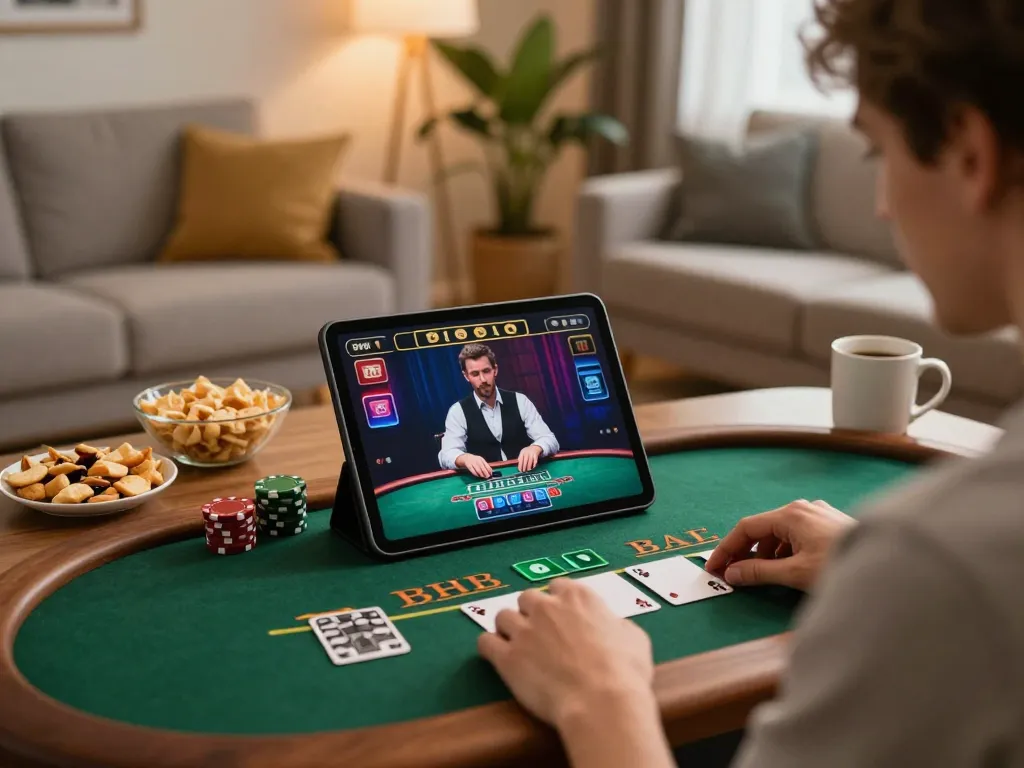
Understanding the Basics of Online Blackjack
Online blackjack remains one of the most popular casino games worldwide, offering players the combination of strategy, excitement, and potential winnings. Unlike many other casino games that rely primarily on luck, blackjack provides a unique blend of skill and chance, allowing players to navigate a range of strategies to improve their chances of success. In this article, we will explore the essential rules of blackjack, how to choose a suitable online casino, and the terminology every player should know, ensuring a solid foundation for both casual players and seasoned gamblers.
What is Blackjack and Its Rules?
Blackjack, often referred to as 21, is a card game played against the dealer. The objective of the game is to have a hand value that is higher than that of the dealer’s, without exceeding 21. Each player is initially dealt two cards, while the dealer is dealt one face-up card and one face-down card. Cards from 2 to 10 hold their face value, while face cards (kings, queens, and jacks) are worth 10 points, and aces can be worth either 1 or 11 points, depending on what benefits the player’s hand the most.
Here are the basic rules to keep in mind:
- If a player exceeds a total of 21, they bust and lose their bet.
- Players may choose to hit (take an additional card), stand (keep their current hand), double down (double the initial bet and take one more card), or split (if they have two cards of the same value, they can split them into two hands).
- After all players have completed their turns, the dealer reveals their hidden card. The dealer must hit until their hand totals 17 or higher.
- Winning hands are paid 1:1, while a blackjack (an ace and a ten-value card) is typically paid 3:2.
How to Choose an Online Casino for Blackjack
When exploring options, FC88 provides comprehensive insights into selecting the right online casino for your blackjack experience. Here are some vital factors to consider:
- Licensing and Regulation: Ensure that the casino is licensed and regulated by a reputable authority, ensuring fair play and security.
- Game Variety: Look for casinos offering various blackjack variants, such as classic, multi-hand, and live dealer blackjack.
- Bonuses and Promotions: Check for welcome bonuses and ongoing promotions that can enhance your bankroll without excessive wagering requirements.
- Payment Methods: Ensure that the casino accepts reliable payment methods for deposits and withdrawals, including e-wallets, credit cards, and cryptocurrencies.
- Customer Support: Choose casinos with accessible and responsive customer service to assist with any issues that may arise while playing.
Key Terms Every Player Should Know
Understanding the terminology in blackjack can enhance your gaming experience and essential strategies. Some key terms include:
- Push: When the player and dealer have the same total, resulting in a tie, and the player’s stake is returned.
- Surrender: A feature allowing players to forfeit their hand after the initial deal, receiving half of their bet back.
- Insurance: A side bet offered when the dealer shows an ace, allowing players to bet on whether the dealer’s face-down card is a ten-value card.
Strategic Approaches to Blackjack
Mastering online blackjack goes beyond understanding the rules; it requires strategic thinking and effective bankroll management. Here are some advanced techniques to elevate your gameplay.
Card Counting: Myth vs. Reality
Card counting is often portrayed as a mystical tactic for securing wins in blackjack. While it is true that counting cards can provide players with a theoretical edge by tracking high and low cards remaining in the shoe, it is also important to recognize its limitations. In online blackjack, where shuffling occurs frequently, especially in live dealer games, card counting becomes less effective. Instead, focus on basic strategy and understanding how to adjust your betting according to the changing odds.
Importance of Bankroll Management in Blackjack
Effective bankroll management is crucial for all gamblers. Players should set limits on how much they are willing to spend in a session and stick to those limits, ensuring that gambling remains an entertainment activity rather than a financial burden. A good rule of thumb is to only gamble with money that you can afford to lose. Consider employing techniques such as setting session limits and bet sizing to help manage your bankroll effectively.
When to Hit, Stand, or Double Down
Deciding when to hit, stand, or double down can significantly impact your success at the table. Here are a few basic strategy guidelines:
- Always stand on 17 or higher.
- Hit on 11 or lower unless doubling down.
- If the dealer has a 5 or 6 showing, consider doubling down on 10 or 11.
- Always hit if you have a total of 12-16 against a dealer 7 or higher.
Odds and Probabilities in Blackjack
Understanding the odds is critical to successful blackjack gameplay. Players who grasp the mathematics behind the game can make more informed decisions and enhance their winning potential.
Understanding House Edge in Online Blackjack
The house edge in blackjack typically ranges from 0.5% to 2% depending on the rules of the variant being played. This means that for every $100 wagered, the casino expects to retain $0.50 to $2.00 in profit over the long term. Games with favorable rules, such as those allowing doubling down after splits or paying 3:2 on blackjacks, can reduce the house edge further, making them a better choice for players.
Calculating Your Odds: A Practical Guide
To effectively calculate your odds in blackjack, you must understand how many cards remain in play at any given time. Basic probability tells us that the fewer cards in the deck, the easier it is to predict potential outcomes. Keeping track of the number of high and low cards can help tailor your betting strategy to improve your chances of winning.
The Impact of Deck Size on Game Odds
The deck size affects the odds in blackjack; single-deck games tend to have a more favorable house edge compared to multi-deck games. This is because in multi-deck games, the proportion of high cards decreases, making it less likely that a player will draw an advantageous hand. Always consider the deck size when choosing which game to play, as it can influence both your strategy and risk management practices.
Live Dealer vs. Standard Online Blackjack
With the advent of technology, players can now experience the thrill of playing blackjack in both live dealer and standard online formats. Each format has its unique advantages, which are crucial for a player’s choice based on their preferences.
Advantages of Live Dealer Games for Gamblers
Live dealer blackjack combines the convenience of online gaming with the immersive atmosphere of a brick-and-mortar casino. Players benefit from real dealers and authentic gameplay elements, enhancing the overall excitement. Moreover, live dealer games provide transparency and an interactive experience, allowing players to communicate with the dealer and fellow players.
Comparing Online and Live Blackjack Experiences
While standard online blackjack offers faster gameplay, allowing for quick betting and potentially more hands played per hour, live dealer games provide a more social experience with a personalized touch. The choice depends on each player’s style; slower-paced, social play may favor the live dealer format, whereas speed-oriented players may prefer standard online games.
Choosing the Right Format for Your Strategy
Your personal gaming strategy should dictate the format you choose. If you thrive on social interaction and a live atmosphere, opt for live dealer games. However, if you’re focused on maximizing your time and strategic play, then traditional online blackjack may be more suitable.
Responsible Gambling Practices for Blackjack Players
Engaging in online gambling can be a fun and thrilling experience but comes with significant responsibilities. Players should adopt practices to ensure their gaming remains enjoyable and does not lead to potential negative consequences.
Setting Personal Limits: How to Manage Your Play
Before you start gambling, set personal limits for money and time. This proactive approach helps prevent impulsive decisions that can lead to excessive losses. Determine session timing and financial boundaries, and respect them as hard rules throughout your gaming activity.
Recognizing Signs of Problem Gambling
Be vigilant in recognizing signs of problem gambling, such as consistently chasing losses, gambling beyond your limits, or neglecting responsibilities. If gambling is no longer fun or begins to detract from your quality of life, it may be time to seek help.
Resources for Support and Information
Numerous resources and support groups are available for individuals dealing with gambling-related issues. For more information, Hướng dẫn đăng ký FC88 offers valuable insights. Self-exclusion programs allow players to take a break voluntarily, while organizations like Gamblers Anonymous provide community support and recovery tips. Always remember, gambling should be viewed as entertainment, not a source of income.