
 admin
admin 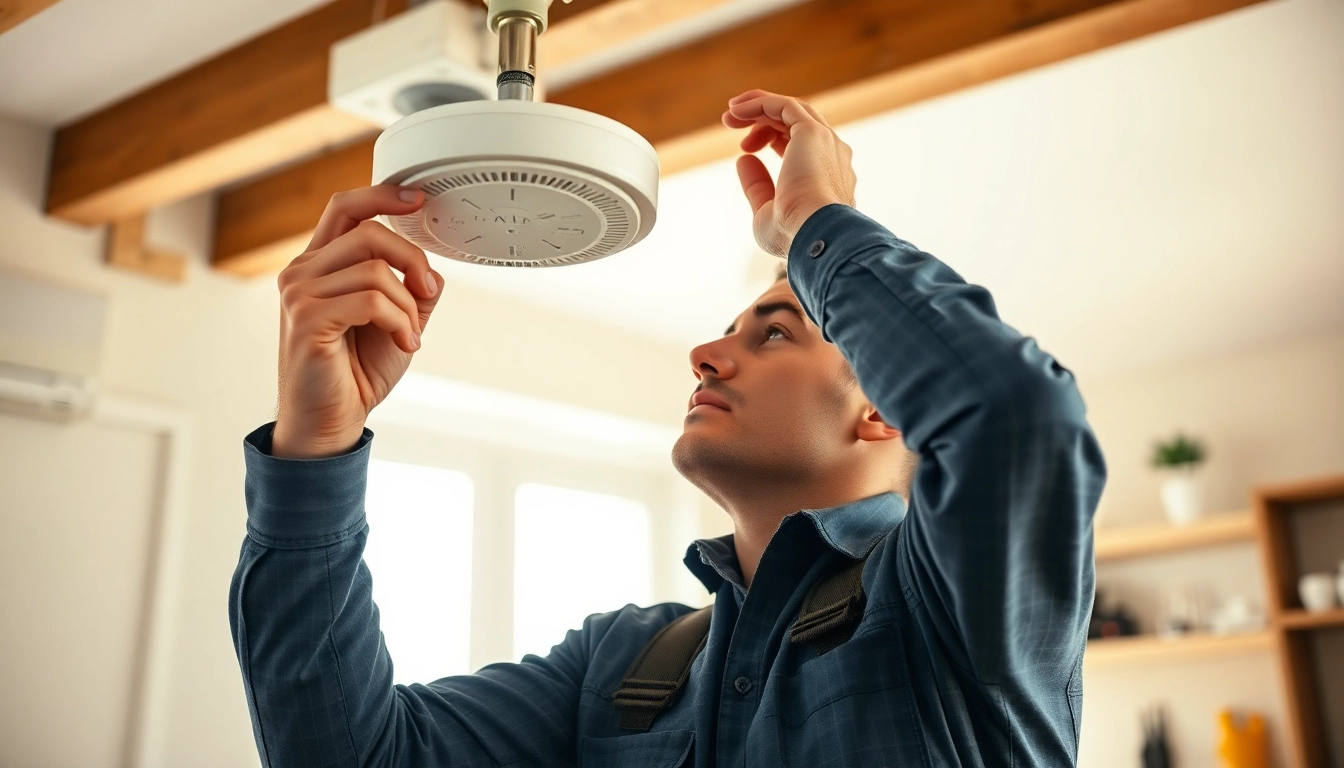
Understanding the Importance of Smoke Detector Battery
What is a Smoke Detector Battery?
A smoke detector battery is an essential component that powers smoke detectors, devices designed to detect smoke as an indication of fire. Typically cylindrical or rectangular in shape, these batteries supply the necessary energy for the smoke detector to function effectively. Common types of smoke detector batteries include 9-volt batteries, AA batteries, and rechargeable lithium-ion batteries. Understanding the type of battery your smoke detector uses is crucial for ensuring its proper functionality and longevity.
Why Battery Maintenance is Critical
Battery maintenance is vital for the reliable operation of smoke detectors. A well-maintained battery ensures that your smoke detector can respond quickly and efficiently in the event of a fire. Neglecting battery care can lead to false alarms or, worse, the detector failing to alert you to an emergency. Regularly checking your smoke detector battery helps maintain optimal performance and enhances the overall safety of your living environment.
The Role of Smoke Detector Battery in Fire Safety
The smoke detector battery plays a crucial role in fire safety. It provides the energy required for the smoke detector to monitor the environment continuously. Fires can spread rapidly; thus, having a functioning smoke detector with a reliable battery increases your chances of escaping a hazardous situation. Regularly replacing and testing your smoke detector battery can save lives and property by ensuring that alerts are issued in a timely manner.
Types of Smoke Detector Battery Available
Common Features of Different Battery Types
Smoke detector batteries come in several types, each with distinct features. The most common batteries include:
- 9-Volt Batteries: Widely used for traditional smoke detectors, they offer a good balance of performance and lifespan, typically lasting up to two years.
- AA Batteries: Found in various smoke detectors, these batteries are often rechargeable and can be easily replaced.
- Lithium-Ion Batteries: These rechargeable batteries often offer longer lifespans compared to alkaline batteries, sometimes lasting up to a decade.
- Sealed Lithium Batteries: Integrated into detectors that require minimal maintenance, these batteries provide consistent power and last up to 10 years.
Comparative Analysis of Battery Lifespan
When choosing a smoke detector battery, lifespan is a crucial factor. Here’s a brief comparison among common types:
| Battery Type | Average Lifespan | Rechargeable |
|---|---|---|
| 9-Volt Battery | 1-2 years | No |
| AA Battery | 1-2 years | Yes |
| Lithium-Ion | 5-10 years | Yes |
| Sealed Lithium | 10 years | No |
Understanding these differences can help you determine which battery type best suits your smoke detector and maintenance preferences.
Choosing the Right Battery for Your Detector
Choosing the right battery for your smoke detector involves several considerations, including compatibility, lifespan, and maintenance requirements. Always refer to the smoke detector’s manual for specific battery recommendations. If using a smoke detector with a replaceable battery, always select a battery that matches the specifications outlined. Additionally, consider how often you want to check or replace batteries based on the type you choose.
How to Replace Your Smoke Detector Battery
Step-by-Step Replacement Process
Replacing your smoke detector battery is a straightforward process. Here’s a step-by-step guide:
- Step 1: Ensure your smoke detector is not hardwired. If it is, consult a professional.
- Step 2: Remove the smoke detector from its mounting bracket by twisting or pulling, depending on the model.
- Step 3: Open the battery compartment, typically found on the back or side of the unit.
- Step 4: Remove the old battery and dispose of it according to local regulations.
- Step 5: Insert the new battery, ensuring it is oriented correctly, following the ‘+’ and ‘-‘ symbols.
- Step 6: Close the battery compartment and reattach the smoke detector to its bracket.
- Step 7: Test the smoke detector to ensure it is functioning properly.
Tips for Safe Installation
When installing or replacing your smoke detector battery, safety should always be a priority. Here are some tips to ensure safe installation:
- Work in a well-lit area to avoid mishandling the detector or battery.
- Use a sturdy ladder or step stool if the smoke detector is positioned high on a wall or ceiling.
- Keep children and pets away from the installation area to prevent accidents.
- If you notice any wires or installation issues, consult a certified electrician.
Common Mistakes to Avoid
While replacing your smoke detector battery, avoid these common mistakes:
- Failing to check the battery type, which can lead to incompatibility and malfunction.
- Neglecting to test the smoke detector after battery replacement, which can give a false sense of security.
- Ignoring the expiration date of the smoke detector itself, as outdated detectors may require complete replacement.
- Not keeping a record of battery replacements, leading to confusion about when to replace again.
Testing and Maintaining Your Smoke Detector Battery
Frequency of Testing Your Smoke Detector
To ensure consistent operation, test your smoke detector monthly. Press the test button on the detector to confirm it functions correctly; listen for a loud alarm sound. Conducting routine tests allows you to identify malfunctions early, ensuring your device is ready when needed.
How to Maintain Optimal Battery Performance
To maintain optimal performance of your smoke detector battery, consider the following best practices:
- Replace batteries at least once annually, even if they have not reached the end of their expected lifespan.
- Keep detectors free from dust and debris, as these can hinder performance.
- Store spare batteries in a cool, dry place to preserve their functionality.
- Consider using lithium batteries for longer-lasting power and reduced hassle.
Signs That Indicate Battery Replacement is Needed
Pay close attention to the following signs indicating it’s time to replace your smoke detector battery:
- An intermittent chirping sound, which typically indicates a low battery.
- A blinking red light on the smoke detector, often signaling a power issue.
- A smoke detector that fails to respond when tested.
- Fading or dimming performance of connected devices, indicating a power-related failure.
Frequently Asked Questions About Smoke Detector Battery
How often should I replace my smoke detector battery?
Replace your smoke detector battery at least once a year, or as recommended by the manufacturer. Regular testing is also essential.
Can I use rechargeable batteries in my smoke detector?
Yes, if your smoke detector allows for it. Always check the specifications to ensure compatibility with rechargeable batteries.
What happens if I ignore a low battery warning?
Ignoring a low battery warning increases the risk of a non-functioning smoke detector, which can lead to dangerous situations in the event of a fire.
Are there smoke detectors that don’t require battery replacement?
Yes, some smoke detectors come with sealed lithium batteries that last up to 10 years and do not require replacement during that time.
How do I know if my smoke detector is functioning properly?
Regularly test your smoke detector by pressing the test button. If the alarm sounds, it’s functioning correctly. Also, ensure the unit is free from dust and signs of damage.