 admin
admin 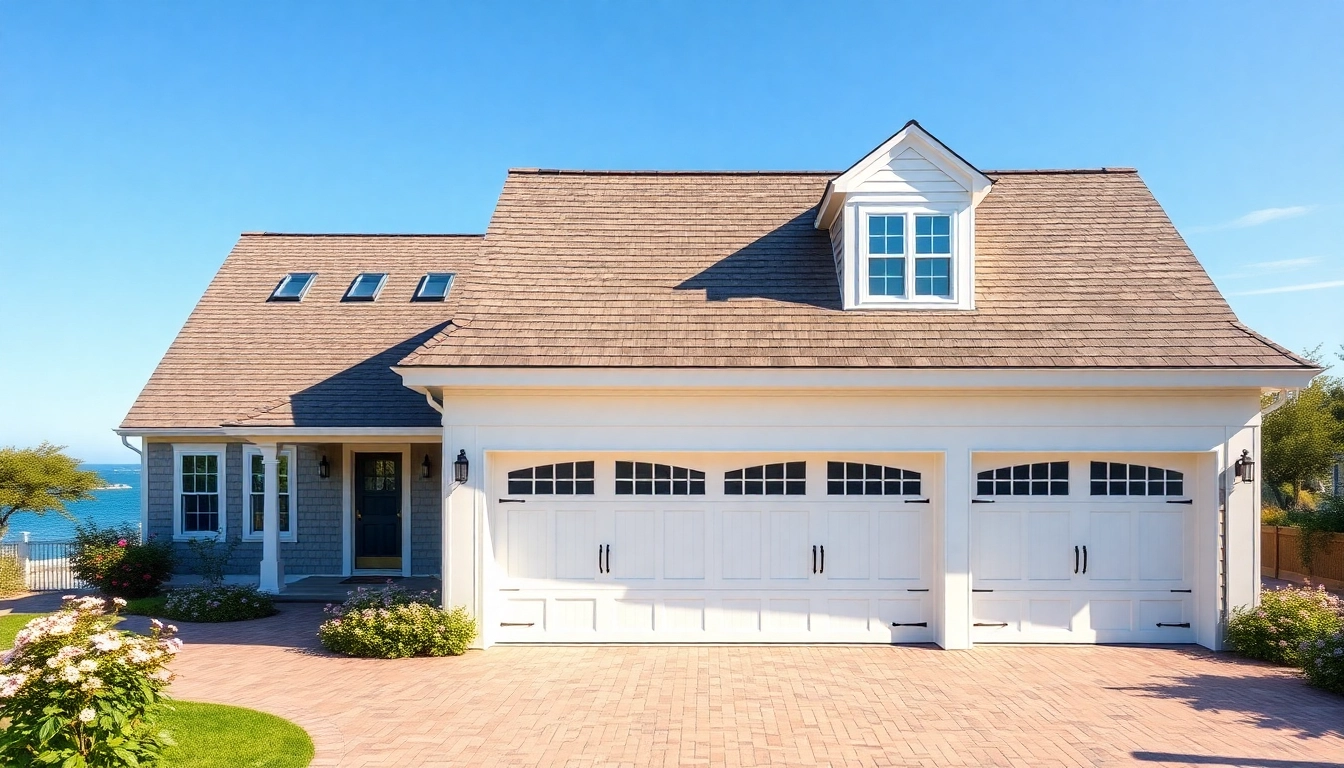
Understanding Cape Cod Homes
History and Characteristics of Cape Cod Homes
Cape Cod homes have a rich history that dates back to the early 1600s when settlers from England brought their architectural styles to New England. Originally designed to withstand the harsh coastal climate, these homes feature low-pitched roofs, symmetrical facades, and dormer windows that provide both aesthetic appeal and practical ventilation. The design reflects a simplistic yet functional approach, traditionally built with wood and later adapted with modern materials. Over centuries, the adaptations have led to a renewed appreciation for these iconic structures, now often seen in coastal communities across America. With their charming character and cultural significance, Cape Cod homes have transcended mere structures to represent cozy, coastal living.
Typical Features of Cape Cod Homes
Distinctive features define Cape Cod homes, making them easily recognizable. Typically, these homes are one or one-and-a-half stories, designed with steep roofs to allow snow to slide off easily. The exterior usually showcases wood siding painted in muted colors, such as soft blues, historic whites, and shades of gray. A hallmark of these homes is the central chimney, used originally for heating spaces efficiently. Inside, open floor plans maximize the utility of smaller spaces, often complemented by brick fireplaces that add warmth and charm. Windows are generally double-hung and placed strategically to allow natural light to flood the interiors, creating a bright and airy atmosphere. Each of these features not only serves a practical purpose but also contributes to the timeless aesthetic of Cape Cod homes.
Why Choose Cape Cod Homes?
The allure of Cape Cod homes lies in their harmonious blend of style, comfort, and practicality. Homeowners are drawn to their charming facades and inviting interiors, which create a welcoming atmosphere. Additionally, the design is highly versatile: while they exude a classic New England charm, they can easily accommodate modern enhancements such as open concept living, energy-efficient systems, and state-of-the-art appliances. This adaptability means that Cape Cod homes can cater to diverse lifestyles, making them suitable for families, retirees, and those looking for a vacation retreat. Moreover, their durable construction and market demand often translate into lasting value, making them not just a home, but a smart investment for the future. For those considering modifications or expansions, cape cod homes offer exciting opportunities for customization while maintaining their essential charm.
Benefits of Home Expansion
Maximizing Space in Cape Cod Homes
As families grow and lifestyles change, the need for additional space often arises. A home expansion allows homeowners to maximize the existing space of their Cape Cod homes without the need to relocate. Expanding vertically can create additional bedrooms or office space, while extending horizontally can allow for larger living areas or dining spaces. Choosing the right type of expansion depends on various factors, including the desired functionality and personal style. Ultimately, effective expansion can enhance the comfort of daily living, adding more valuable square footage while keeping the enchanting aesthetics that Cape Cod homes are known for.
Enhancing Functionality and Style
Home expansions are not purely about adding space; they also provide an opportunity to reimagine the layout of your Cape Cod home. Creative renovations can enhance the flow between spaces and improve functionality. For instance, combining an extension with an open-plan layout can create vibrant family areas for social gatherings. By incorporating contemporary design elements, such as vaulted ceilings or large windows, homeowners can harmonize modern aesthetics with the traditional charm of Cape Cod architecture. This fusion of functionality and style makes home expansions a desirable option for enhancing the quality of living.
Budget Considerations for Expansions
Before embarking on an expansion project, budget considerations are crucial. Costs can vary significantly based on design, materials, and labor. Homeowners should consider initial costs alongside ongoing expenditures such as maintenance and utilities. Planning is key: setting a realistic budget that encompasses unforeseen issues, such as plumbing or electrical modifications, can prevent financial strain later on. Consulting with architects who specialize in Cape Cod homes can offer insights into achievable designs while remaining within budget, ensuring the new space is both practical and beautiful.
Incorporating an Attached Garage
Design Options for Attached Garages
Integrating an attached garage into a Cape Cod home can enhance both the convenience and value of the property. There are numerous design options to consider that can seamlessly match the home’s architectural style. From gable roofs with dormers to classic clapboard siding, the garage can echo the home’s original aesthetic. Homeowners may opt for a side-entry garage to maintain the front symmetry or a more modern front-facing option that creates a statement. Proper planning of the garage’s dimensions to align with the home’s proportions is vital to ensure visual harmony. Incorporating features such as ample storage and efficient lighting can further elevate the functionality and style.
How an Attached Garage Complements Cape Cod Homes
An attached garage is more than just a place to park. For Cape Cod homes, it offers increased shelter from the coastal weather while adding an additional layer of curb appeal. Modern conveniences such as electric vehicle (EV) chargers, built-in storage, and workshop space can be integrated into the garage design, enhancing practicality. The connection between the house and garage can be enhanced through aesthetically pleasing walkways or transitional spaces, transitioning seamlessly from the garage to the living areas. This integration plays a critical role in enhancing the overall functionality and lifestyle of Cape Cod homeowners.
Permitting and Regulations
Home expansions and garage constructions may require various permits and adherence to local zoning regulations. Before beginning any project, homeowners should check with local officials to understand the specific requirements that apply to their property. Factors such as property lines, environmental impacts, and historical preservation mandates can all influence the design and feasibility of an expansion. Hiring an architect familiar with local building codes can help streamline the permit process and ensure compliance, making the journey from vision to reality smoother for homeowners.
Design Inspirations for Your Project
Modern vs. Traditional Cape Cod Designs
The debate between modern and traditional design often arises among homeowners looking to expand their Cape Cod homes. Traditional designs focus on keeping the historic charm alive, incorporating classic elements such as shingle siding and weathered wood-styled finishes. In contrast, modern designs emphasize clean lines, open floor plans, and minimalistic aesthetics while still respecting the traditional facade. Blending these two styles can lead to innovative designs that preserve the home’s history while injecting a fresh, contemporary feel. Homeowners should consider their personal style, as well as the character of the surrounding neighborhood, to determine which design direction resonates best.
Landscaping Ideas to Complement Your Home
Landscaping plays a significant role in enhancing the aesthetic of Cape Cod homes, especially when planning expansions. Native plants that thrive in coastal environments not only reduce maintenance but also provide beautiful seasonal displays. Incorporating outdoor living spaces, such as patios or garden paths, can create outdoor “rooms” that extend the usable area. Using local stones or bricks for pathways and retaining walls can beautifully complement the traditional architecture. An effectively designed landscape can elevate your home’s curb appeal and create a cohesive look that integrates naturally with the coastal scenery.
Utilizing Natural Light in Home Design
Natural light can significantly affect the ambiance of your living spaces, making them feel larger and more inviting. Innovative architectural solutions such as skylights, large windows, and glass doors can flood Cape Cod homes with sunlight. Careful placement of windows is crucial to optimizing views of the outdoors while minimizing energy costs. Additionally, thoughtful design elements like light colors for walls and open layouts can enhance the aesthetic well-being of the home. Embracing natural light symbolizes the essence of coastal living; it fosters a peaceful connection to the surrounding environment.
Maintaining Your Cape Cod Home After Expansion
Regular Maintenance Tips for Cape Cod Homes
After expanding a Cape Cod home, regular maintenance is essential to preserve its integrity and values. Given the coastal setting, routine checks for water damage, rotting wood, and pest issues are necessary. Seasonal inspections should include reviewing roof conditions, clearing gutters, and ensuring windows and doors are properly sealed to combat the elements. Additionally, exterior painting and siding upkeep can protect the home from harsh weather conditions while enhancing curb appeal. For homeowners, developing a maintenance schedule ensures their home continues to thrive for years to come.
Seasonal Preparations for Coastal Homes
Living in a coastal environment carries specific seasonal responsibilities. Preparing for winter often entails inspecting the heating system, winterizing outdoor fixtures, and ensuring proper insulation to conserve energy. On the other hand, summer preparations might include checking air conditioning units and protecting outdoor furniture. Additionally, storm readiness requires that homeowners assess their properties for potential wind and water damage by securing loose landscaping elements. Being proactive about seasonal preparations ensures longevity and comfort in Cape Cod homes.
Long-term Value of Your Investment
Investing in Cape Cod homes—whether through expansion or maintenance—can yield significant long-term value. Properties that are aesthetically pleasing and well-maintained tend to appreciate over time, particularly in desirable coastal areas. Upgrades such as energy-efficient appliances, modern heating systems, and stylish outdoor spaces can all enhance the home’s market value. Moreover, the unique characteristics of Cape Cod architecture often continue to attract buyers, securing their place as highly sought-after investments. Understanding the long-term implications of both maintenance and modification can empower homeowners to make informed decisions that enhance both their living experience and property value.
Frequently Asked Questions
What are typical costs for expanding a Cape Cod home?
Costs can vary widely based on the desired size and complexity of the project, ranging from tens of thousands to over a hundred thousand dollars. It’s crucial to develop a detailed budget and consult with professionals.
How can I enhance the curb appeal of a Cape Cod home?
Enhancing curb appeal can involve fresh landscaping, new siding, or paint, and adding architectural features such as shutters or decorative trim that reflect coastal themes.
Are there specific design rules for Cape Cod homes?
While there are no strict rules, it’s advisable to maintain the home’s historical characteristics, such as gabled roofs and symmetrical designs, when planning renovations or expansions.
What should I consider when adding an attached garage?
Consider the architectural style, desired functionality, and local zoning regulations to ensure that the garage design complement the existing home while providing the necessary utility.
How do I maintain my Cape Cod home after an expansion?
Regular maintenance includes seasonal inspections for damage, upkeep of the exterior, and pest control measures to ensure longevity and protect your investment.