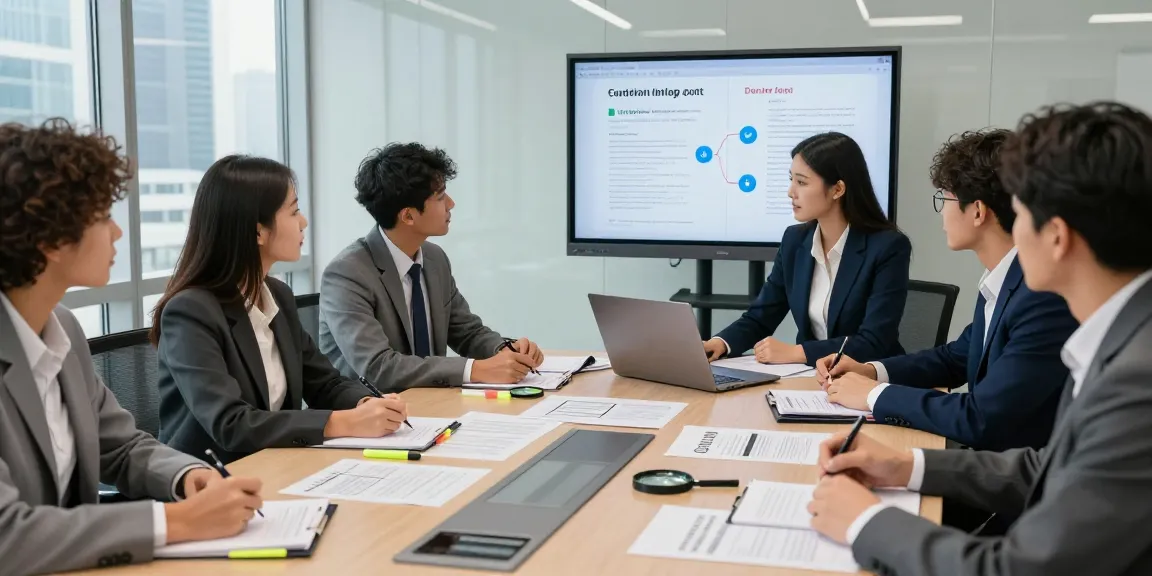
Understanding the Role of a New Jersey Commercial General Contractor
In the landscape of construction, New Jersey Commercial General Contractor serves as a pivotal figure. They are not just builders; they are orchestrators who ensure that every aspect of a commercial project flows seamlessly from inception to completion. This article explores the multifaceted role of general contractors, highlighting their responsibilities, benefits, and management techniques essential for successful project delivery.
What Does a General Contractor Do?
A general contractor (GC) is responsible for overseeing construction projects from start to finish. Their primary role is to manage the day-to-day operations of the project, ensuring that everything runs smoothly. They coordinate with architects, subcontractors, suppliers, and construction personnel, facilitating effective communication and collaboration.
In addition to managing labor and resources, general contractors are also responsible for obtaining necessary permits and ensuring that the project complies with local building codes and standards. They serve as the point of contact for clients, providing updates and addressing concerns throughout the project lifecycle. Ultimately, a GC translates the client's vision into a tangible structure.
Key Responsibilities and Services
- Project Coordination: Ensuring all team members and subcontractors understand their roles and deadlines.
- Budget Management: Preparing, monitoring, and adjusting budgets as necessary to avoid overruns.
- Quality Control: Monitoring work for quality assurance and adherence to specifications.
- Permits and Compliance: Navigating the regulatory landscape to obtain necessary permits and approvals.
- Scheduling: Developing project timelines and managing the sequence of tasks.
Benefits of Hiring a General Contractor
Engaging a New Jersey Commercial General Contractor provides several significant benefits:
- Expertise: General contractors possess extensive knowledge and experience, offering insights that can enhance project value.
- Time Efficiency: They manage schedules effectively, reducing the likelihood of delays.
- Risk Mitigation: GCs carry liability insurance and manage risks associated with construction.
- Single Point of Responsibility: Clients can communicate with a single entity rather than multiple subcontractors.
- Network Access: Established relationships with reliable subcontractors and suppliers can lead to better pricing and service.
Choosing the Right New Jersey Commercial General Contractor
Selecting an appropriate general contractor can significantly impact the outcome of your construction project. It's critical to evaluate candidates carefully before making a choice.
Essential Qualities to Look For
When searching for a general contractor, consider the following qualities:
- Experience: Choose a contractor with a proven track record in managing projects similar to yours.
- Reputation: Look for positive reviews and testimonials that speak to their reliability and professionalism.
- Communication Skills: Effective communication is essential; an ideal contractor should articulate ideas clearly and respond promptly to inquiries.
- Problem-Solving Ability: A great contractor can navigate challenges and propose viable solutions swiftly.
- Attention to Detail: Quality construction demands precision; a meticulous contractor will focus on the finer points of the project.
Researching Contractor Credentials
Before hiring, verify potential contractors’ credentials. This may include:
- Licensing: Check that the contractor holds a valid license to operate in New Jersey.
- Insurance: Ensure they carry both liability and workers' compensation insurance to protect against accidents.
- Certifications: Relevant certifications, such as those from the National Association of Home Builders, can indicate credibility.
Evaluating Client Testimonials and Case Studies
Reviews and case studies can offer insights into a contractor’s past performance. Seek testimonials from previous clients and discuss their experiences working with the contractor. Additionally, analyzing case studies will help you understand how the contractor has handled challenges and successfully completed projects of similar size and scope.
Project Management Techniques for Contractors
Effective project management is crucial for delivering construction projects on time and budget. Here are some techniques that general contractors often employ:
Effective Communication Strategies
Open lines of communication between all parties involved are essential. Frequent updates, regular meetings, and transparency about timelines and budgets help foster collaboration and keep everyone aligned.
Cost Control Methods
To stay within budget, contractors can employ various cost control measures such as:
- Creating detailed budgets before starting projects.
- Using project management software to track expenses in real-time.
- Identifying potential savings by negotiating with suppliers and subcontractors.
- Regularly reviewing project expenses against the initial budget to address variances promptly.
Scheduling and Time Management Techniques
Effective scheduling can make or break a project. Utilizing project management tools, Gantt charts, and detailed timelines helps in mapping out the workflow, setting deadlines, and ensuring that each phase of construction is met on time.
Common Challenges Faced by New Jersey Commercial General Contractors
Even experienced contractors can encounter hurdles during projects. Recognizing these common challenges can help in mitigating their impact:
Dealing with Permits and Regulations
Navigating the regulatory environment can be daunting. Contractors must stay updated on local building codes and zoning laws. Developing a comprehensive understanding of legal requirements can help avoid delays in the permitting process.
Managing Budget Constraints
Budget overruns can threaten the viability of a project. Contractors should manage expectations by conducting thorough pre-project planning and regularly updating clients on financial status to mitigate surprises.
Handling Workforce Issues
Labor shortages can hinder project timelines and increase costs. Building a reliable workforce through competitive compensation, ongoing training, and maintaining a positive work environment helps alleviate workforce issues. Additionally, having a pool of qualified subcontractors can provide flexibility when workforce challenges arise.
FAQs About Hiring a New Jersey Commercial General Contractor
What is the average cost of hiring a contractor?
The cost can vary widely based on project size, complexity, and location. Generally, commercial contractors may charge around 10-20% of the total project cost as their fee.
How do I verify a contractor's license?
You can verify a contractor's license by checking your state’s licensing board or regulatory agency's online database. This often provides information on their status and any disciplinary actions.
What’s the typical timeline for a commercial project?
Project timelines vary, depending on size and scope. Smaller projects may take a few months, while larger ones can span several years. Detailed plans and schedules help in estimating timeframes accurately.
How do contractors manage subcontractors?
Contractors manage subcontractors by defining clear roles, setting expectations through contracts, and maintaining regular communication. Scheduling and oversight are critical to ensure timely progress and quality work.
When should I start looking for a contractor?
It’s advisable to begin your search at least three to six months before your planned start date. This allows time for vetting contractors and finalizing contracts to ensure the project commences smoothly.