 admin
admin 
Understanding Bath Reconstruction
What is Bath Reconstruction?
Bath reconstruction is the process of renovating or completely overhauling an existing bathroom space to enhance its functionality, aesthetics, and overall value. This project can involve replacing fixtures, updating plumbing, changing layouts, or even entirely changing the bathroom’s design theme. Whether rejuvenating for personal enjoyment or preparing to sell a property, bath reconstruction serves to revitalize one of the most used spaces in the home.
Common Reasons for Bath Reconstruction
The motivations behind bath reconstruction vary widely, but some of the most common include:
- Outdated Designs: Many homeowners seek to modernize their bathrooms to keep up with current design trends that favor sleek, functional spaces.
- Increased Functionality: A growing family may require more space or different layouts to accommodate everyone’s needs.
- Water Damage: Issues like leaks or mold can necessitate reconstruction to ensure safety and hygiene.
- Enhanced Resale Value: Homeowners often reconceptualize bathrooms to increase their property’s marketability.
- Personal Preference: Aesthetic desires or lifestyle changes may prompt someone to seek a fresh new look.
Benefits of Renovating Your Bath
Renovating your bath comes with a multitude of benefits beyond mere aesthetics. Key advantages include:
- Improved Comfort: Upgrading fixtures can enhance the bathing experience, making it more enjoyable and relaxing.
- Increased Energy Efficiency: Modern plumbing fixtures and appliances are more water and energy-efficient, helping lower utility bills.
- Enhanced Safety: Modern designs often incorporate safety features like non-slip surfaces and better lighting.
- Better Space Utilization: Efficient layouts can optimize the available space, making the room feel larger and more organized.
- Personal Touch: A reconstructed bath allows homeowners to create a space that reflects their unique design tastes and lifestyles.
Planning Your Bath Reconstruction
Creating a Budget for Your Project
Establishing a budget is perhaps the most critical step in planning a bath reconstruction. Start by determining total costs, considering labor, materials, permits, and any unexpected expenses. It’s essential to allocate funds wisely to prevent financial strain. For example, prioritize key features like the bathtub or shower that you will use the most, and be flexible with other aesthetics that might be revised later.
Choosing the Right Materials
Your choice of materials directly affects both the aesthetics and durability of your bath. Consider factors like maintenance, longevity, and style. Common materials include:
- Tile: Available in various types, tile is popular for its durability and wide range of designs.
- Countertops: Options such as granite, quartz, and laminate each offer different benefits regarding style and price.
- Fixtures: Invest in high-quality tubs, faucets, and showerheads that complement your design while remaining functional.
- Cabinetry: Choose materials that withstand moisture and enhance overall aesthetics, such as water-resistant wood or fiberglass.
Design Trends to Consider
Staying abreast of design trends can provide inspiration and ensure your reconstructed bath feels contemporary. Notable trends include:
- Floating Vanities: These offer a modern aesthetic and create a sense of space.
- Freestanding Tubs: A stylish option that becomes a focal point within the bathroom.
- Natural Elements: Using wood or stone can create a calming spa-like environment.
- Sustainable Choices: Opting for eco-friendly materials and fixtures that promote conservation.
Executing the Renovation Process
Essential Steps for a Smooth Reconstruction
The execution phase of bath reconstruction is where planning meets action. Begin by:
- Finalizing Designs: Confirm all your designs and selections before starting the actual work.
- Permits and Contracts: Ensure that all necessary permits are in place and contracts with contractors are signed.
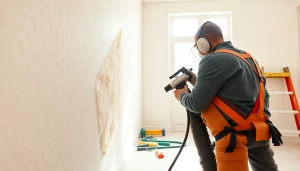
- Demolition: Carefully remove old fixtures, tiles, and installations, while ensuring minimal damage to existing structures.
- Plumbing and Electrical: Update plumbing and electrical systems as necessary, laying a solid foundation for new installations.
- Installation: Proceed with the installation of fixtures, tiles, and cabinetry according to the planned designs.
- Inspections: Have any official inspections done as required to ensure everything adheres to local codes.
- Final Touches: Complete the project with finishing touches, including painting and accessorizing.
Hiring Professionals vs. DIY
The choice between hiring professionals and undertaking a DIY project will heavily depend on factors such as skill level, project complexity, and time constraints. Professionals typically provide expertise, ensuring quality renovations, but can be costly. DIY offers financial savings and personal satisfaction, although it requires careful planning and a good understanding of bathroom construction. Assess which option aligns with your goals, skill set, and budget.
Safety Measures During Reconstruction
Safety should never be overlooked during bath reconstruction. Always adhere to these precautions:
- Wear Protective Gear: Equip yourself with gloves, goggles, and masks to protect against dust and debris.
- Proper Ventilation: Ensure the work area is well-ventilated, especially when using chemicals or heavy materials.
- Use Quality Tools: Employ appropriate tools for each task, reducing the risks of accidents or injuries.
- Check Electrical and Plumbing: Always shut off water and electrical sources before commencing any reconstruction work.
Post-Reconstruction Care
How to Maintain Your New Bath
Maintaining your newly reconstructed bath is crucial for its longevity and aesthetic appeal. Key maintenance tips include:
- Regular Cleaning: Establish a routine cleaning schedule using appropriate products for various surfaces.
- Immediate Repairs: Address any wear and tear promptly to prevent small issues from becoming larger problems.
- Watch for Moisture: Keep an eye out for any signs of moisture or mold, as these are indicators of underlying problems.
- Fixture Care: Regularly check fixtures and plumbing for leaks or corrosion to ensure everything operates smoothly.
Identifying Common Issues After Renovation
Even after reconstruction, it’s crucial to be vigilant for any emerging issues, such as:
- Leakage: Running water may expose leaks that need immediate fixing.
- Cracks: Inspect tiles and fixtures for cracks that may worsen over time.
- Mold and Mildew: Both can easily develop in humid environments; check seams and corners regularly.
- Loose Fixtures: Periodically check that all installations remain securely fastened.
When to Seek Professional Help
It is wise to seek professional assistance when you encounter issues beyond a simple fix or if you are unsure about repairs. Indicators may include:
- Persistent leaks despite attempts at a repair.
- Severe mold growth requiring professional remediation.
- Structural issues that threaten the integrity of walls or ceilings.
FAQs About Bath Reconstruction
What is the average cost of bath reconstruction?
The average cost can range from £3,000 to £10,000, depending on materials and scope.
How long does a bathroom reconstruction typically take?
Most projects can take between 3 to 6 weeks, depending on complexity and contractor schedules.
Can I live in my home during bath reconstruction?
Yes, but access to the bathroom may be limited. Consider planning for alternative arrangements.
What permits are needed for bath reconstruction?
Permits vary by location; check with local regulations or your contractor for specifics.
How can I ensure a successful bath reconstruction?
Plan thoroughly, choose quality materials, and communicate clearly with contractors throughout the process.