
 admin
admin 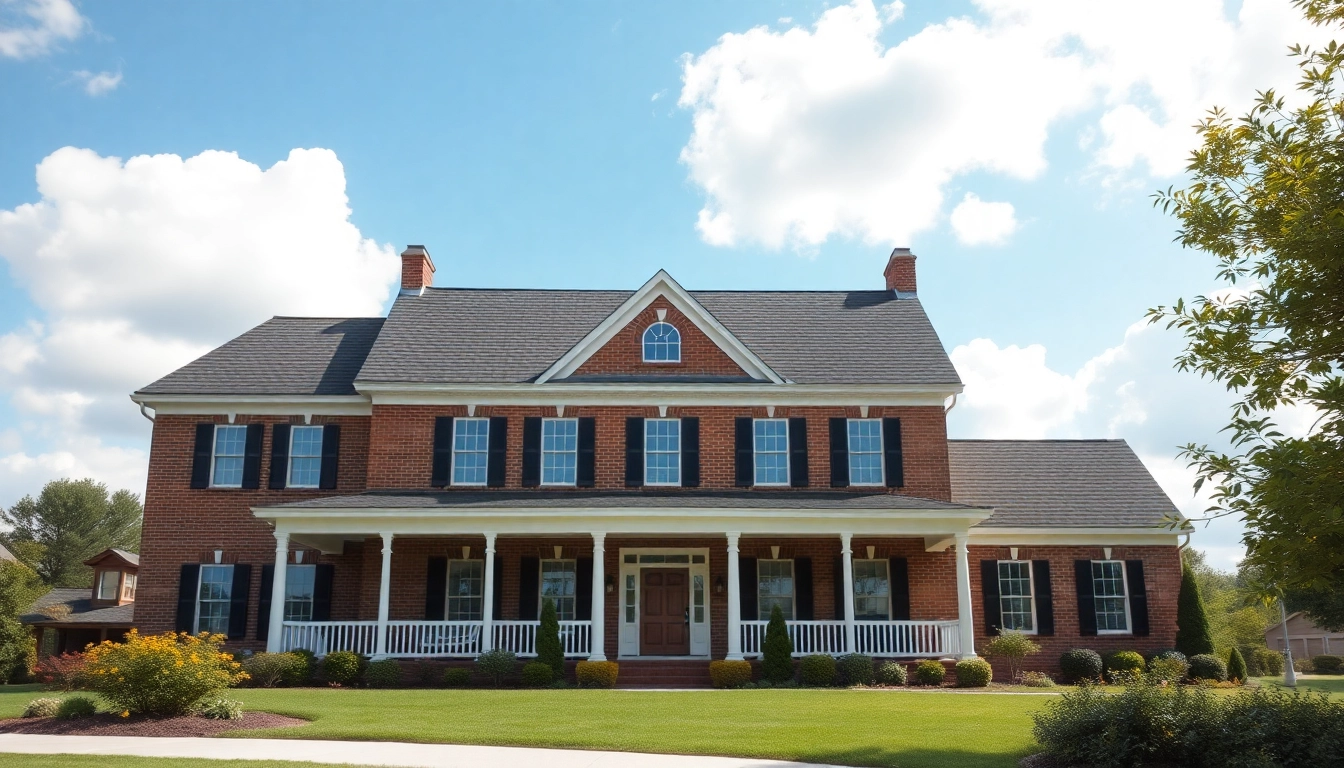
Understanding Colonial Home Construction
Colonial homes are among the most enduring and beloved architectural styles in American history. Their iconic features and rich heritage make them a popular choice for those looking to build a new home that pays homage to the past while incorporating modern living conveniences. Whether you’re an architecture enthusiast or a prospective homeowner, understanding the fundamentals of colonial home construction is essential for appreciating this timeless style.
Defining Colonial Home Architecture
Colonial architecture is characterized by its symmetrical designs, gable roofs, and evenly spaced windows. Emanating from the early settlements in America, these homes were influenced by a variety of European architectural styles, particularly those of Great Britain, Spain, and the Netherlands. The earliest examples date back to the 1600s, with styles evolving over the years into what we recognize today as the Colonial style, which includes variations such as Federal, Georgian, and Dutch Colonial.
Historical Significance of Colonial Homes
The historical importance of Colonial homes cannot be understated. They served as residences, government buildings, and even locations for significant historical events, especially during the American Revolution. These homes symbolize the early American spirit of independence, self-sufficiency, and community. Today, they remind us of our roots and are often preserved as part of local heritage sites.
Key Features of Colonial Style
Typically, Colonial homes showcase distinctive features, such as:
- Symmetry: A balanced appearance with a central front door and evenly spaced windows.
- Gable Roofs: Roofs that meet at a peak, often with dormer windows to provide additional light and space.
- Brick or Wood Exteriors: Durable materials that stand the test of time, often showcasing traditional paint colors.
- Fireplaces: Central hearths are common, representing warmth and gathering space.
Planning Your Colonial Home Construction
Choosing the Right Location
The location of your Colonial home plays a vital role in its overall appeal. Historical neighborhoods often have zoning laws and architectural guidelines to maintain the area’s character. Consider proximity to schools, parks, and community services, while also factoring in local climate and geography that could influence building materials and design.
Integrating Modern Amenities
While the charm of Colonial homes lies in their traditional aesthetics, integrating modern amenities is crucial for contemporary living. Advanced HVAC systems, energy-efficient windows, and smart home technology can enhance comfort without compromising authenticity. Balancing these must-haves with traditional architectural elements ensures the home remains functional and livable for today’s families.
Permitting and Regulations
Before embarking on construction, it’s essential to understand the local permitting processes and building regulations governing Colonial-style homes. Many areas have specific requirements regarding historical preservation, energy efficiency, and safety standards that must be adhered to. Working closely with local authorities and professionals familiar with these regulations can help streamline the process.
Materials and Techniques for Colonial Home Construction
Best Practices for Material Selection
Choosing the right materials is critical to achieving authenticity in Colonial home construction. Traditional materials like wood, brick, and stone not only enhance aesthetics but also ensure durability. Local sourcing of materials can also minimize costs and contribute to the home’s environmental footprint.
Construction Techniques That Preserve Authenticity
Maintaining the authenticity of Colonial homes requires skilled craftsmanship and knowledge of historical building methods. Techniques such as timber framing, which was commonplace in early Colonial architecture, can be employed to achieve a genuine appearance. Ensuring that details like moldings and trims are historically accurate is crucial for preserving the character of these homes.
Eco-Friendly Options for Colonial Homes
With the growing emphasis on sustainability, incorporating eco-friendly materials and techniques into Colonial home construction is increasingly common. Reclaimed wood, energy-efficient insulation, and solar panels can significantly lower a home’s carbon footprint while maintaining its classic appearance. Integrating green technologies will help ensure that your Colonial home is as efficient as it is elegant.
Interior Design for Colonial Homes
Color Schemes and Textures
The interior design of a Colonial home often reflects its historical roots, with color schemes derived from nature and subtle, earthy tones. Neutral palettes, complemented by deep, rich colors for accents, can create a welcoming and warm atmosphere. Textures matter as well; layering fabrics and materials adds dimension to the interiors, ensuring a mix that feels both rustic and refined.
Furnishing a Colonial Home
Choosing furnishings for a Colonial home often involves selecting pieces that align with the historical period. Antique or reproduction Colonial furniture in rich woods like cherry and maple complements the architecture perfectly. Incorporating textiles such as quilts and braided rugs adds warmth and character, further enhancing the authenticity of the design.
Maintaining Historical Integrity in Interior Design
While modern trends may tempt homeowners to stray from traditional designs, it is essential to keep the historical integrity intact. This can be achieved by carefully selecting decor, fixtures, and finishes that are true to the Colonial style. Bespoke cabinetmaking, hardware, and light fixtures should reflect the era’s aesthetics while accommodating present-day functionality.
Common Challenges in Colonial Home Construction
Budget Management Considerations
Constructing a Colonial home can come with its share of financial challenges. The need for quality materials and skilled labor often translates to higher initial costs. Create a comprehensive budget that includes contingencies for unexpected expenses, ensuring you prioritize where to save without compromising essential aspects of authenticity.
Working with Contractors and Architects
Finding contractors and architects familiar with Colonial architecture is critical for a successful project. An experienced team can provide valuable insights into preservation techniques and practical solutions while executing your vision. Collaboration and clear communication with your team throughout the process will help mitigate misunderstandings and align design intentions with reality.
Addressing Environmental Factors
Building a Colonial home involves considering environmental factors such as climate and geographical challenges. The foundation, drainage, and insulation must be designed to withstand local conditions while also preserving the home’s historical character. Employing energy-efficient designs and systems can aid in creating a comfortable living environment and have minimal impact on the environment.
Frequently Asked Questions
1. What defines a Colonial home?
A Colonial home is characterized by its symmetrical design, gable roofs, and classic materials like brick or wood. These homes reflect traditional American architecture influenced by European styles.
2. How do I choose the right location for my Colonial home?
Select a neighborhood that preserves historical character with regulations supporting Colonial home aesthetics. Consider local amenities, climate, and community services when choosing your site.
3. Can I incorporate modern amenities in a Colonial home?
Yes, integrating modern amenities is essential for comfort. However, it’s crucial to maintain the home’s historical integrity while adding features like energy-efficient systems and smart home technologies.
4. What materials are best for building a Colonial home?
Traditional materials such as wood, brick, and stone are best for authenticity. Local sourcing can enhance quality while supporting sustainability in your construction project.
5. How can I ensure my Colonial home design reflects its historical roots?
Work with architects and designers who specialize in Colonial architecture. Focus on authentic furnishings, materials, and colors that are true to the home’s style for a cohesive aesthetic.